🧠

Cognitive & Nootropic

Selank, Semax, DSIP, and neuropeptides for anxiety reduction, memory, sleep, and neuroprotection research.

Compounds in This Category

Cognitive Peptides: Mechanism Overview

Cognitive peptides are CNS-targeted compounds studied for their effects on neurotransmitter systems, neurotrophin expression, sleep architecture, and neuroprotection. The class is dominated by compounds developed through Soviet and Russian research programs from the 1970s onward — many with substantial published trial data that remains underrepresented in Western literature due to language barriers and publication venue.

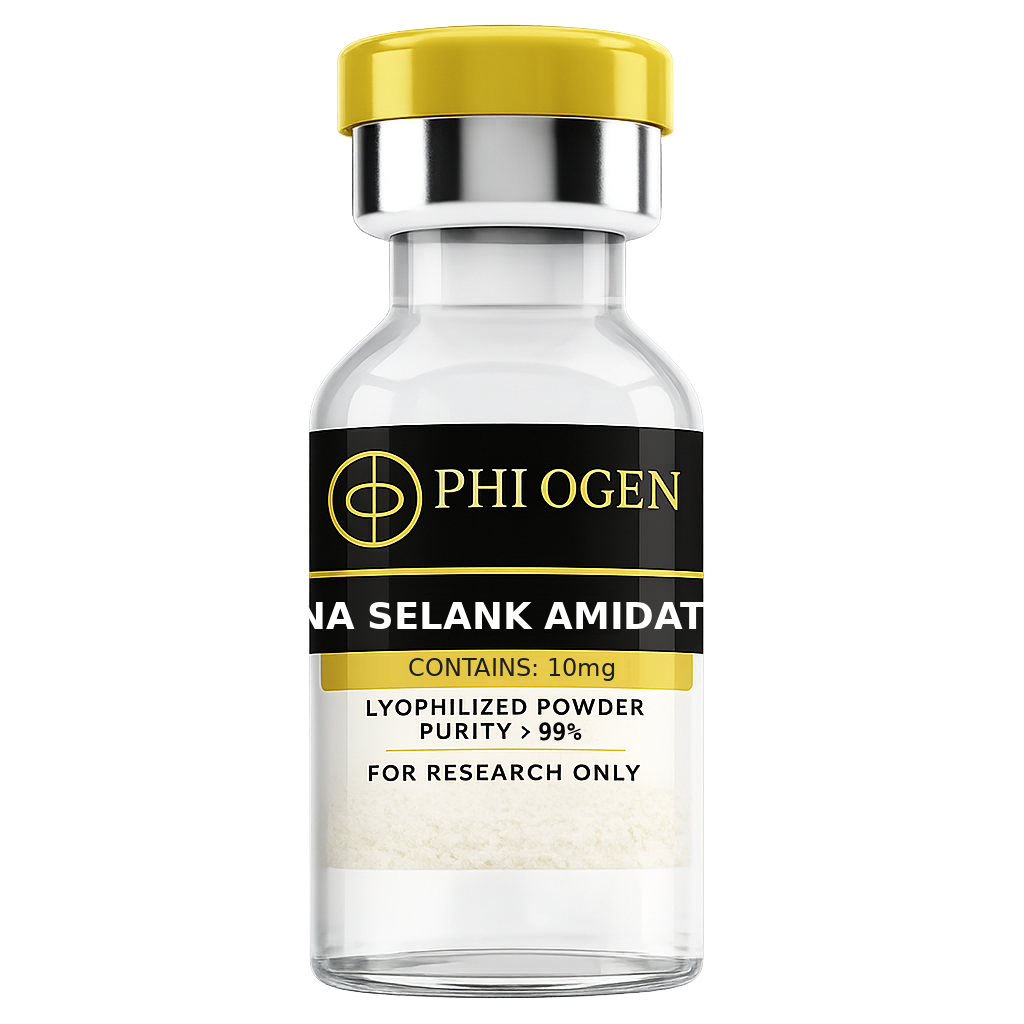
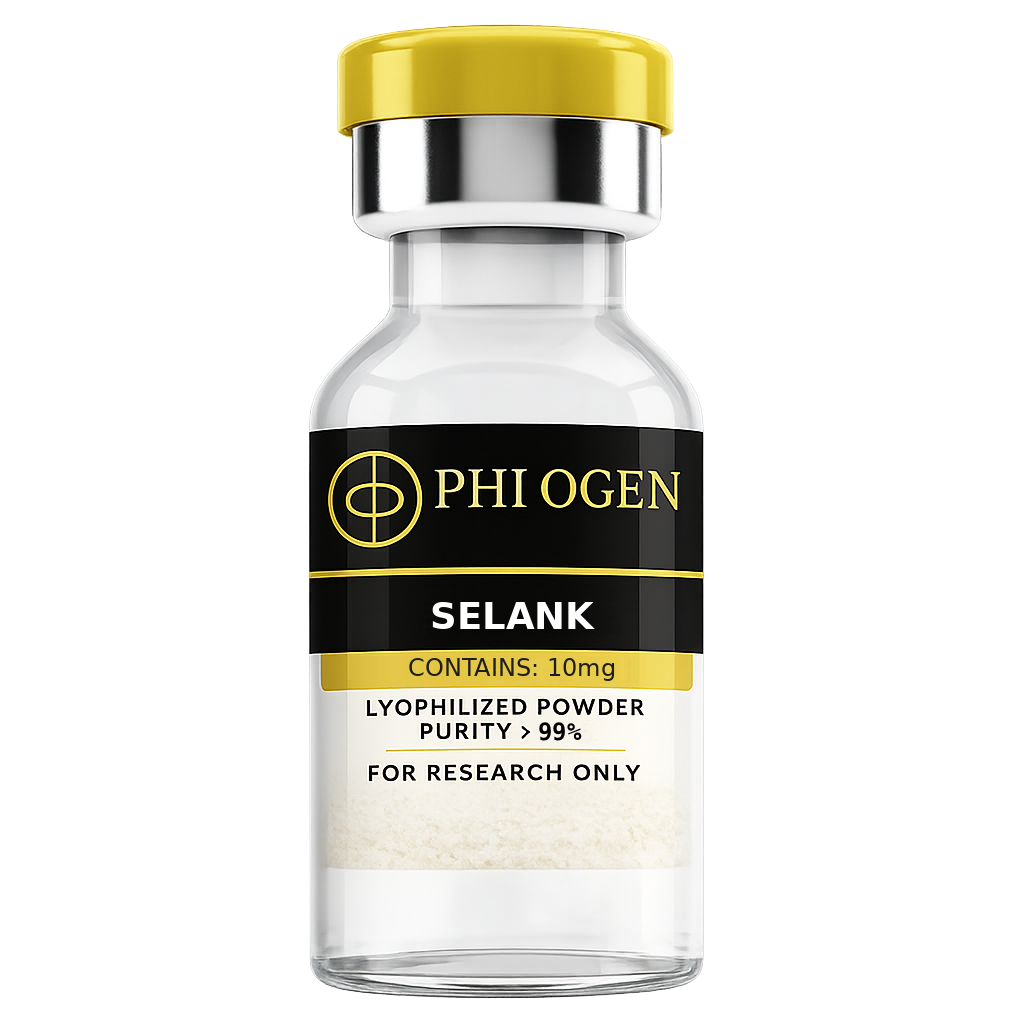
Selank — Anxiolytic Neuropeptide

Selank (TPLPA-RG-NH2) is a synthetic heptapeptide derived from tuftsin, a naturally occurring tetrapeptide with immunomodulatory properties. It was developed at the Institute of Molecular Genetics, Russian Academy of Sciences, and has undergone Russian clinical trials for generalized anxiety disorder.

Mechanisms

  • GABAergic modulation: Selank enhances GABAergic tone without directly binding GABA-A receptors. This avoids the receptor downregulation and tolerance that characterize classical benzodiazepines. Anxiolytic effects are documented without accompanying sedation or cognitive blunting in trial data.
  • BDNF upregulation: Promotes brain-derived neurotrophic factor expression, supporting neuroplasticity
  • Serotonin metabolism normalization: Modulates serotonin degradation enzyme activity
  • Enkephalin stability: Inhibits enkephalinase, extending the activity of endogenous opioid-like peptides involved in mood regulation

Evidence

Russian Phase 2/3 trials in generalized anxiety disorder showed comparable anxiolytic efficacy to benzodiazepines with significantly fewer side effects. Independent Western replication is limited but mechanistic data is consistent with the proposed pathways.

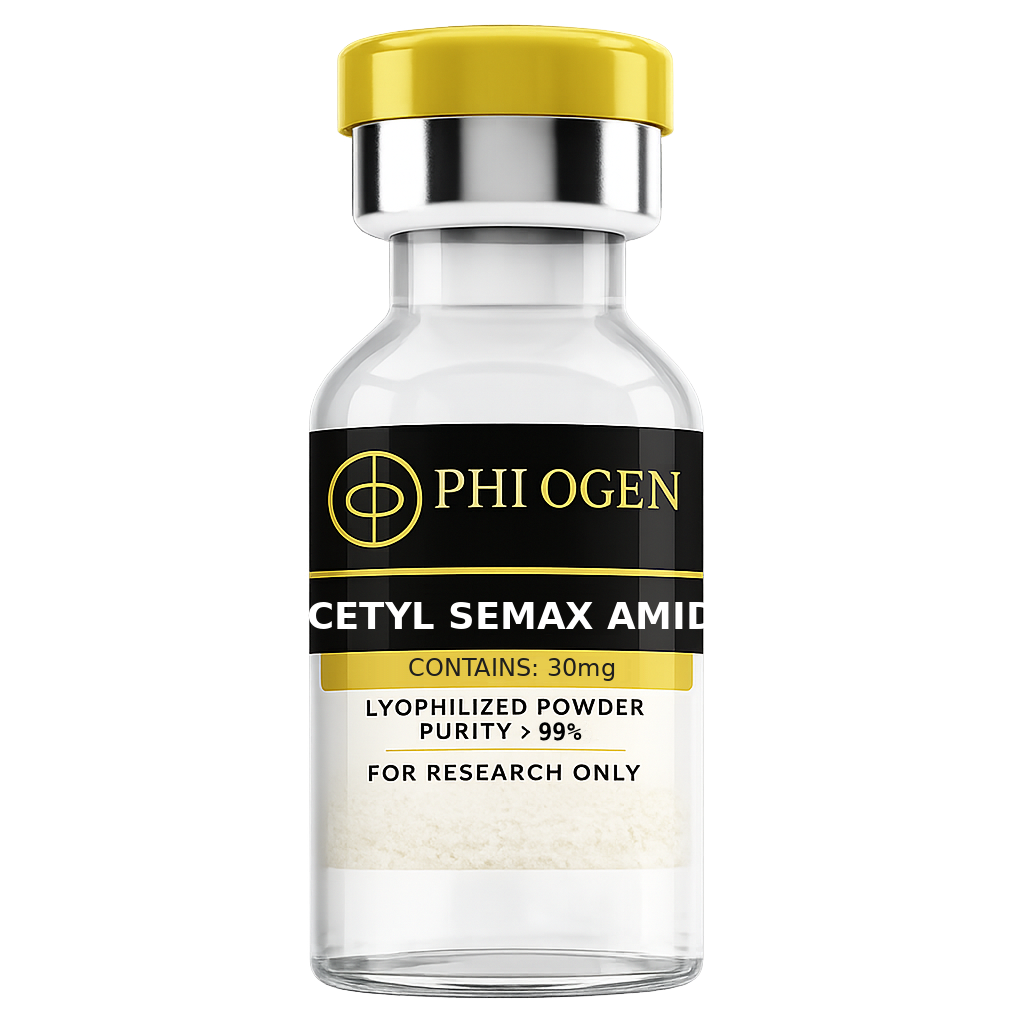
N-Acetyl Semax Amidate — Neurotrophin Enhancer

Semax is a synthetic analogue of ACTH 4–7 (Met-Glu-His-Phe), a fragment of adrenocorticotropic hormone with no ACTH hormonal activity. The N-acetyl amidated modification improves blood-brain barrier (BBB) penetration and extends biological half-life relative to unmodified Semax.

Mechanisms

  • BDNF upregulation: Semax significantly elevates BDNF (brain-derived neurotrophic factor) expression — a key driver of synaptic plasticity, memory consolidation, and neuronal survival
  • NGF upregulation: Nerve growth factor elevation supports cholinergic neuron maintenance
  • Dopamine D1/D2 and serotonin pathway effects: Modulates receptor sensitivity without direct agonism
  • Neuroprotection: Studied in ischemia models for protection against oxidative neuronal damage

Semax is used clinically in Russia for stroke recovery, cognitive decline, and optic nerve disorders. It is administered intranasally — the primary route for BBB penetration research.

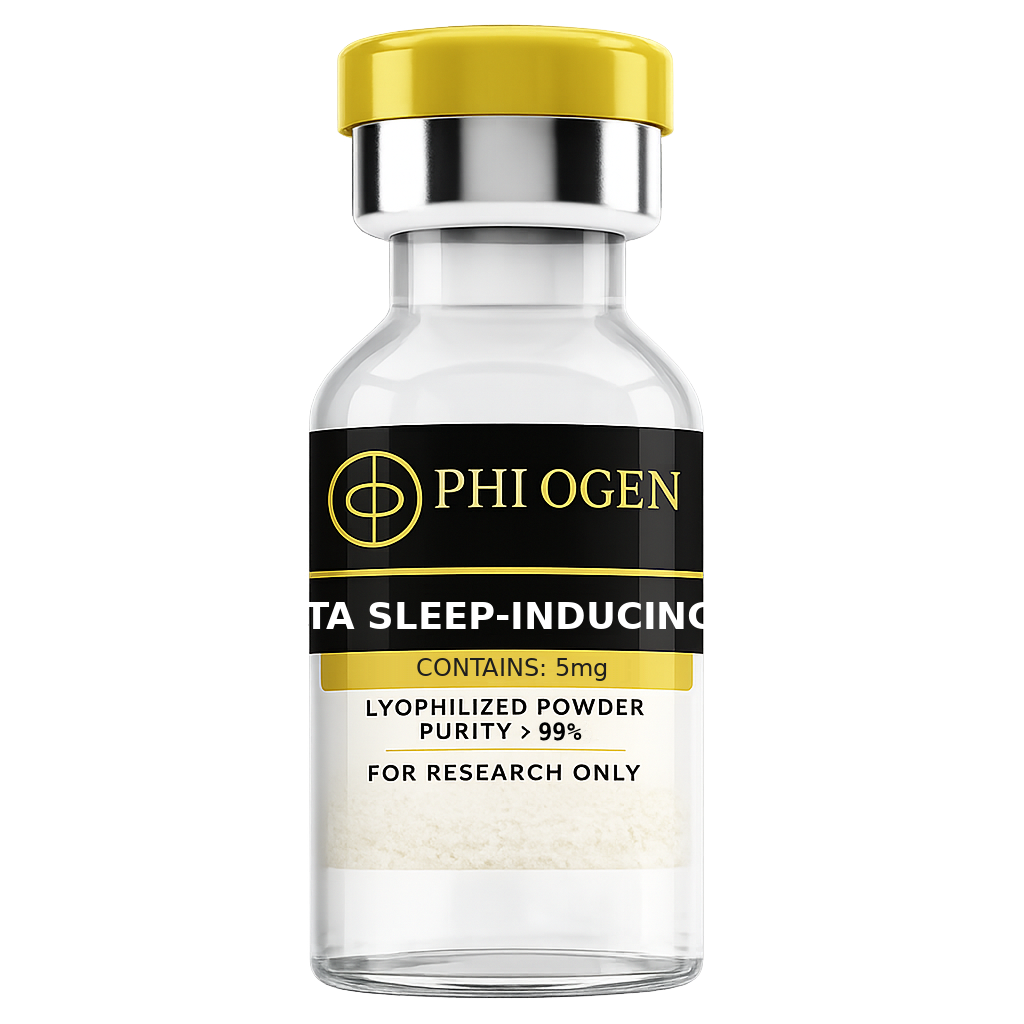
DSIP — Delta Sleep Architecture

DSIP (Delta Sleep-Inducing Peptide) is an endogenous nonapeptide isolated from rabbit thalamic venous blood in 1974. It specifically promotes delta wave (Stage 3 / slow-wave) sleep rather than producing general sedation. This mechanistic selectivity distinguishes it from all conventional sleep aids.

Mechanisms

  • Delta wave EEG promotion: Acts on unidentified central receptors to increase delta wave power on EEG without altering sleep architecture architecture broadly
  • Cortisol normalization: Research in chronic stress models shows DSIP normalizes elevated basal cortisol — relevant to the stress-sleep feedback loop
  • LH pulsatility: Some evidence for modulation of hypothalamic-pituitary LH release patterns

At sub-sleep-inducing doses, DSIP does not cause sedation — it acts to restore normal sleep stage distribution rather than forcing sedation.

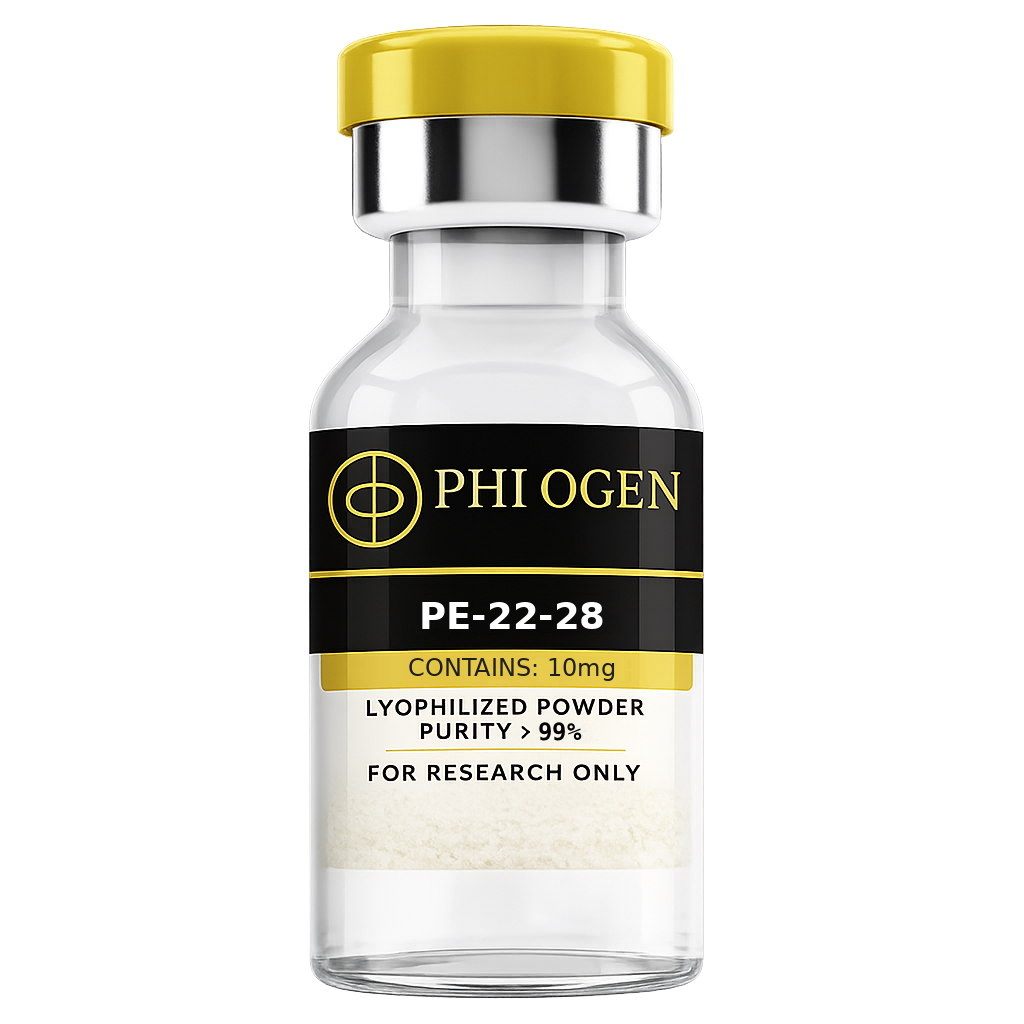
PE-22-28 — TREK-1 Potassium Channel Inhibitor

PE-22-28 is a synthetic peptide derived from the spadin peptide family. It inhibits the TREK-1 potassium channel, which is implicated in depression and anesthetic action. Preclinical data suggests rapid-onset antidepressant effects via a distinct mechanism from SSRIs — one that does not require chronic dosing for efficacy onset. Human data is absent; this is an early-stage research compound.

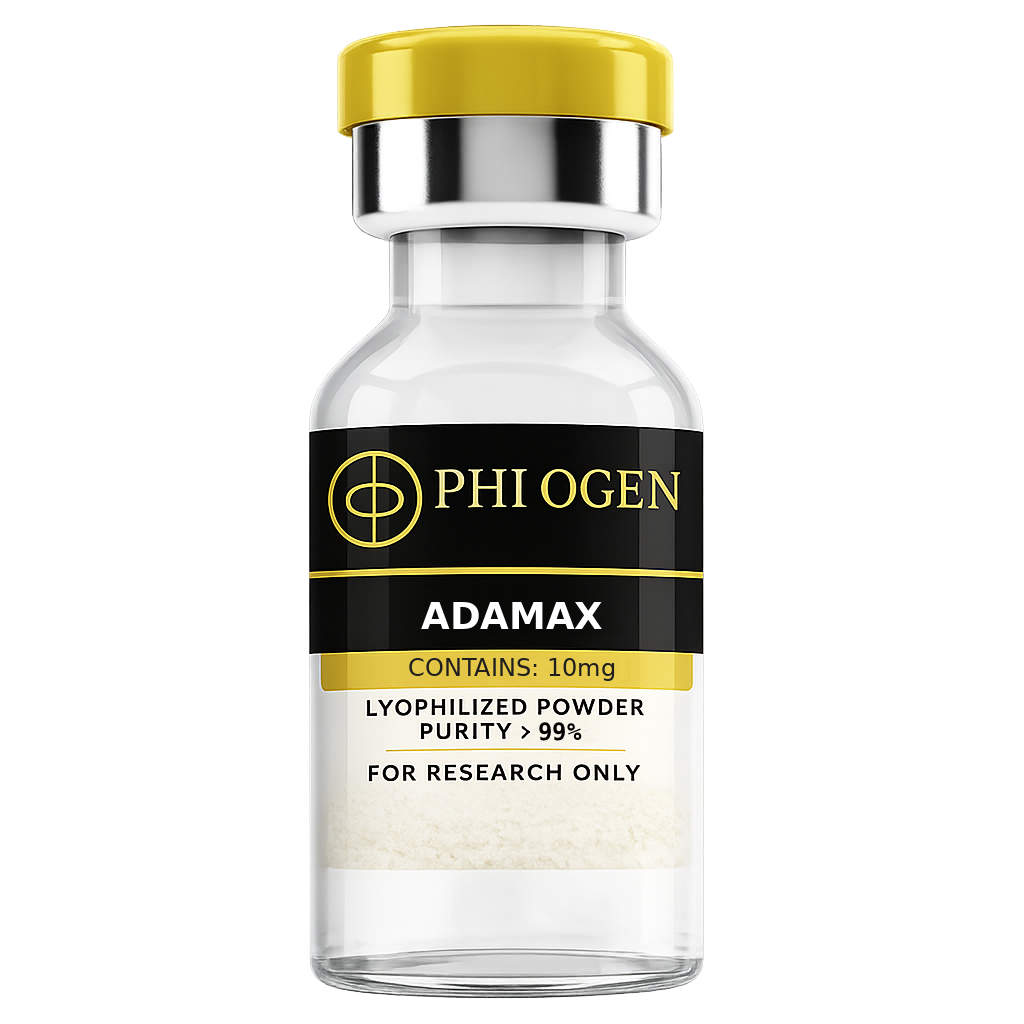
Adamax (Adamantine Analogue Peptide)

Adamax is studied for its NMDA receptor modulation properties. NMDA receptor hypofunction is implicated in cognitive decline and schizophrenia models. Modulating NMDA activity without full antagonism is a strategy being explored for neuroprotection and cognitive enhancement. Evidence base is early preclinical.

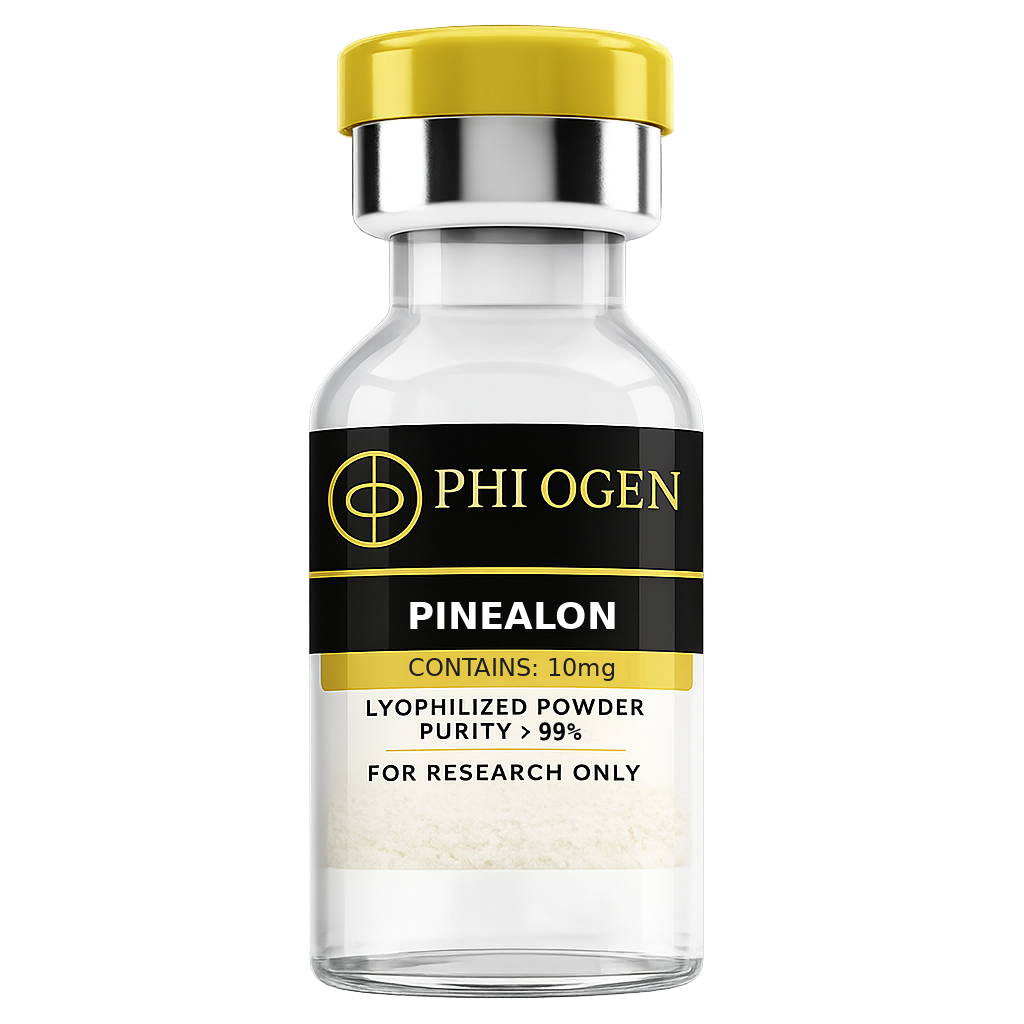
Pinealon — Khavinson Cognitive Bioregulator

Pinealon (Glu-Asp-Arg) is a synthetic tripeptide from the Khavinson bioregulator program targeting pineal gland and cortical brain tissue. Research focuses on neuroprotective effects, cognitive function in aging models, and retinal health. Like other Khavinson peptides, it operates at extremely low concentrations and is studied for epigenetic regulatory effects on neuronal gene expression.

Frequently Asked Questions

How does Selank produce anxiolytic effects without the tolerance issues of benzodiazepines?

Selank modulates GABAergic transmission indirectly — enhancing endogenous GABAergic tone rather than binding GABA-A receptors directly. Benzodiazepine tolerance arises from GABA-A receptor downregulation in response to direct allosteric activation. Selank's indirect mechanism avoids this adaptation. Russian clinical trials documented comparable anxiolytic effect magnitude with no reported physical dependence or cognitive impairment over the study period.

What is the research basis for N-Acetyl Semax Amidate vs standard Semax?

Semax (ACTH 4-7 Pro-Gly-Pro) is the base compound with clinical use in Russia. N-acetylation of the N-terminus and C-terminal amidation each independently improve peptide stability against aminopeptidase and carboxypeptidase degradation. The combined modification (N-acetyl amidated) produces a form with significantly extended half-life and enhanced BBB penetration efficiency. Most current research protocols prefer the modified form for these pharmacokinetic advantages.

How does DSIP differ from sleep aids like zolpidem or melatonin?

Zolpidem is a positive GABA-A allosteric modulator that produces non-selective CNS depression and significantly alters sleep architecture, suppressing REM and slow-wave stages at therapeutic doses. Melatonin regulates circadian phase but does not directly promote delta-wave sleep power. DSIP specifically increases delta wave (slow-wave) EEG activity without general sedation and without the architecture distortions of GABA modulators. At sub-threshold doses it does not induce sleep at all.

What is the mechanism of PE-22-28 and how far along is the research?

PE-22-28 inhibits the TREK-1 two-pore domain potassium channel, which regulates neuronal excitability in limbic regions associated with mood. TREK-1 knockout mouse models show antidepressant-like behavior, providing the mechanistic rationale. PE-22-28 is a peptide-based approach to achieve this inhibition pharmacologically. Current evidence is preclinical — rodent models only. No human pharmacokinetic or efficacy data is available. It represents a mechanistically novel early-stage compound.

Research Protocols

The Maxxing Stack →

Full protocol reference for building a comprehensive peptide stack.

Disclaimer

Research use only. Not for human consumption. All data referenced from preclinical or clinical research literature. Consult a qualified professional before any use.