Guides6 min readMaxxing Peptides ResearchFebruary 15, 2026
How to Reconstitute Peptides: The Complete Research Protocol
BAC water ratios, concentration tables, freeze-thaw stability, and step-by-step technique — the complete technical protocol for peptide reconstitution.
Why Reconstitution Technique Matters
Lyophilised (freeze-dried) peptides are stable solids. Once reconstituted in aqueous solution, they become biologically active but also susceptible to degradation via hydrolysis, oxidation, and aggregation. Proper reconstitution technique and storage protocol directly determine the biological activity of the final solution and the effective shelf life of the compound.
Errors in reconstitution — wrong solvent, mechanical agitation, incorrect temperature — can produce peptide aggregates, dimers, or hydrolysis products that yield false negatives in research or inactive preparations in protocols.
Solvent Selection: BAC Water vs Sterile Water
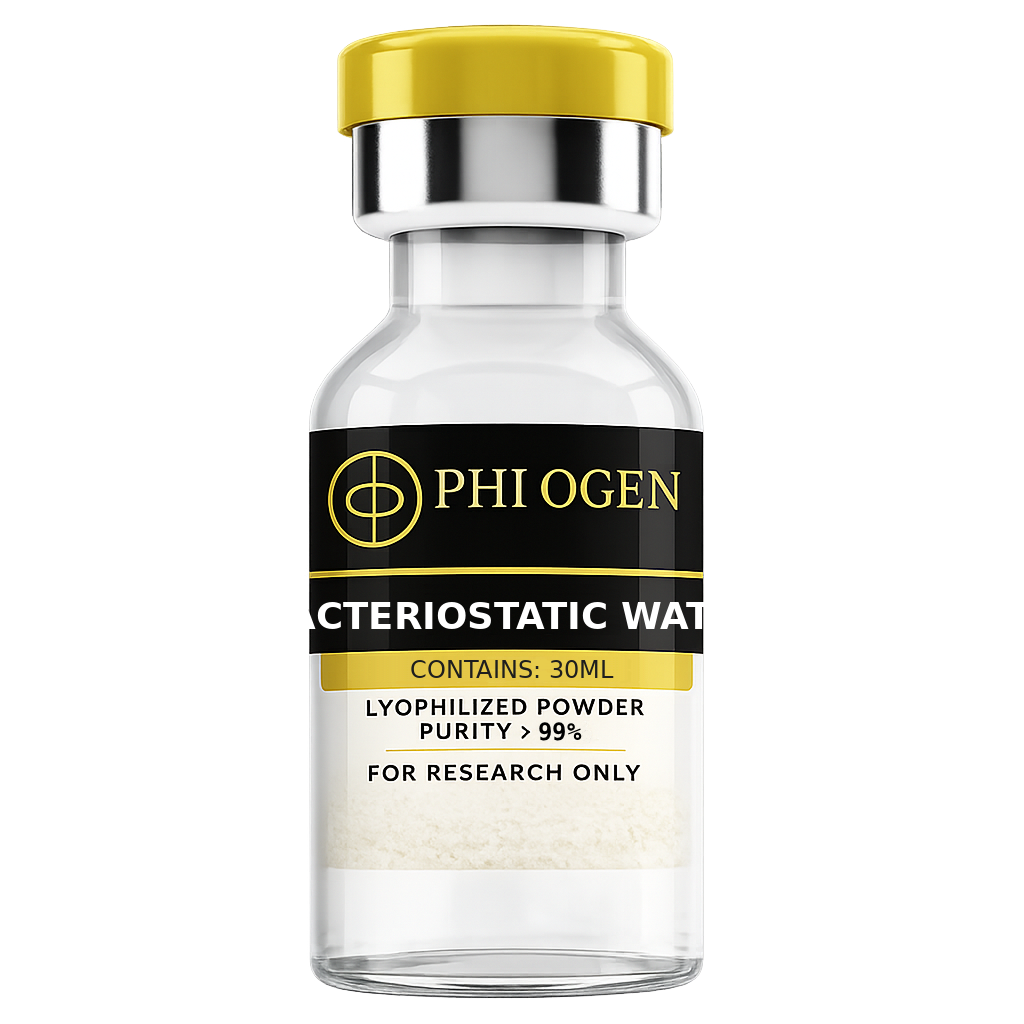
Bacteriostatic Water (0.9% Benzyl Alcohol)
Bacteriostatic water (BAC water) contains 0.9% w/v benzyl alcohol as a preservative. Benzyl alcohol inhibits bacterial growth by disrupting bacterial cell membranes, maintaining the sterility of the solution over an extended use window.
Reconstituted stability at 2–8°C: approximately 28 days (multi-dose use).
BAC water is the appropriate solvent for any multi-dose vial that will be accessed repeatedly over days or weeks.
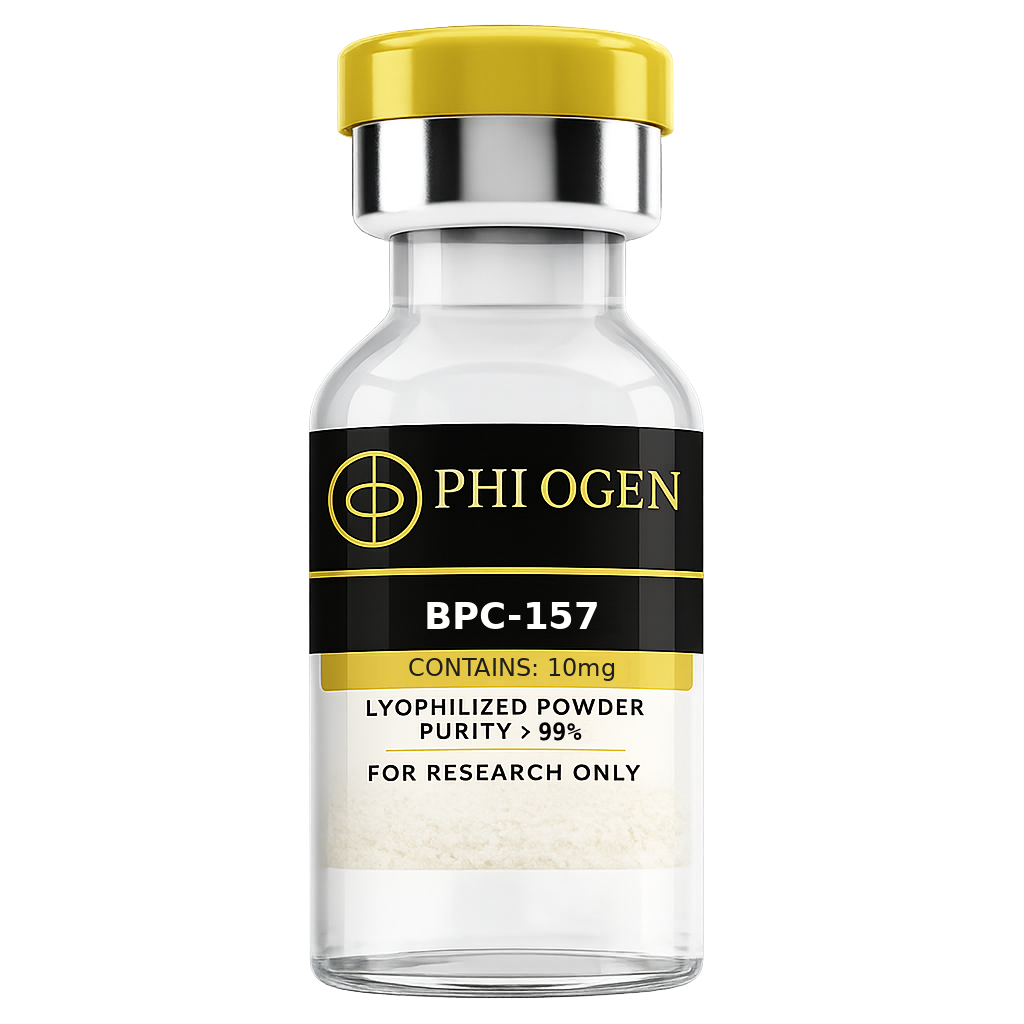
Limitation: Benzyl alcohol may interact with peptides containing free cysteine residues or specific sensitive sequences. For most research peptides (BPC-157, GHK-Cu, GLP analogues, SNAP-8, Epithalon), BAC water is appropriate.
Sterile Water for Injection
Sterile water contains no preservatives. Once accessed, it provides no bacteriostatic protection. Use is limited to:
Peptides where benzyl alcohol interaction is a documented concern
Reconstituted stability: use within 24 hours; do not store. Sterile water is not appropriate for multi-dose peptide vials.
Acetic Acid Solutions (0.1–1% v/v)
Some peptides — notably GH secretagogues like GHRP-2, GHRP-6, and certain GLP analogues — have poor solubility in neutral aqueous solutions. 0.5% acetic acid in sterile water is the standard reconstitution solvent for these compounds. The mildly acidic pH improves solubility and reduces aggregation. GHK-Cu is also commonly reconstituted in dilute acetic acid for similar reasons.
Concentration Calculations
The goal of concentration planning is to achieve a volume per dose that is measurable with precision on a standard insulin syringe (U-100, 1 mL, graduated in 1 IU = 0.01 mL increments).
Target concentration: 1–2 mg/mL for most research peptides, giving 0.05–0.10 mL per 100 µg dose — within the precise measurement range of a 29–31G insulin syringe.
Vial Size
BAC Water Added
Concentration
100 µg dose volume
IU on U-100 syringe
2 mg
1.0 mL
2 mg/mL
0.05 mL
5 IU
5 mg
2.5 mL
2 mg/mL
0.05 mL
5 IU
10 mg
5.0 mL
2 mg/mL
0.05 mL
5 IU
10 mg
10.0 mL
1 mg/mL
0.10 mL
10 IU
15 mg
5.0 mL
3 mg/mL
0.033 mL
3.3 IU
50 mg
10.0 mL
5 mg/mL
0.02 mL
2 IU
For GLP compounds dosed in mg (retatrutide, tirzepatide), concentrations are typically expressed as mg/mL directly, with doses in the 2–15 mg range per injection.
Reconstitution Procedure
Equipment
Lyophilised peptide vial (inspect: white or off-white powder, no discolouration)
Bacteriostatic water vial (or appropriate solvent)
1 mL insulin syringe, 29–31 gauge, 6–8 mm needle
Alcohol prep swabs (70% isopropyl alcohol)
Clean surface
Step-by-Step Protocol
1. Temperature equilibration: Allow both the peptide vial and solvent vial to reach room temperature (~20°C) before opening. Cold BAC water added to a cold peptide vial can cause incomplete dissolution. Allow 30 minutes from refrigerator.
2. Swab stoppers: Wipe rubber septa of both vials with 70% IPA swabs. Allow to air-dry (10 seconds) — residual alcohol can degrade benzyl alcohol and some peptide sequences if introduced into the vial.
3. Draw solvent: Insert the needle through the septum of the BAC water vial. Draw the calculated volume of BAC water (refer to concentration table above). Withdraw needle and inspect syringe: solution should be clear and colourless.
4. Angle insertion: Insert the needle into the peptide vial at a 45° angle, directing the needle tip toward the glass wall of the vial — not toward the peptide cake.
5. Slow wall-side injection: Depress the plunger slowly, allowing the BAC water to run down the inner glass wall and pool beneath the lyophilised peptide cake. Do not inject directly onto the powder — direct high-pressure aqueous contact causes mechanical shear and promotes aggregation.
6. Dissolution: Without removing the needle, allow the peptide to dissolve by gravity over 1–2 minutes. If not fully dissolved, gently swirl the vial — do not vortex, shake, or invert aggressively. Vigorous mechanical agitation promotes fibrillation and aggregation in peptides with amyloidogenic sequences.
7. Visual inspection: Reconstituted solution should be clear to slightly opalescent, colourless or very pale. Cloudiness, visible particles, or coloration indicate degradation or contamination — discard.
8. Labelling: Label with compound name, concentration (mg/mL), date of reconstitution, and expiry (reconstitution date + 28 days for BAC water).
Storage Parameters
State
Temperature
Light
Duration
Lyophilised (sealed)
−20°C (preferred) or 2–8°C
Protect
12–24 months (−20°C) / 6–12 months (refrigerated)
Reconstituted (BAC water)
2–8°C
Protect
Up to 28 days
Reconstituted (sterile water)
2–8°C
Protect
24 hours maximum
In transit (short-term)
Room temp
OK briefly
24–72 hours (reconstituted)
Freeze-Thaw Considerations
Do not freeze reconstituted peptide solutions. This is one of the most common handling errors.
Benzyl alcohol has a freezing point of approximately −15°C. Freezing BAC-water-reconstituted solutions causes benzyl alcohol crystallisation, which mechanically disrupts peptide structure, generates ice crystal shear stress, and promotes aggregation. Thawed solutions from a freeze-thaw cycle may appear clear but contain a higher proportion of inactive aggregated peptide than the visible clarity suggests.
For long-term storage of large batches: prepare multiple small vials (aliquot the lyophilised powder before reconstitution if possible), store lyophilised at −20°C, and reconstitute individual vials as needed rather than reconstituting a large volume and attempting to freeze portions.