HPLC Verified
Research Grade
COA Published
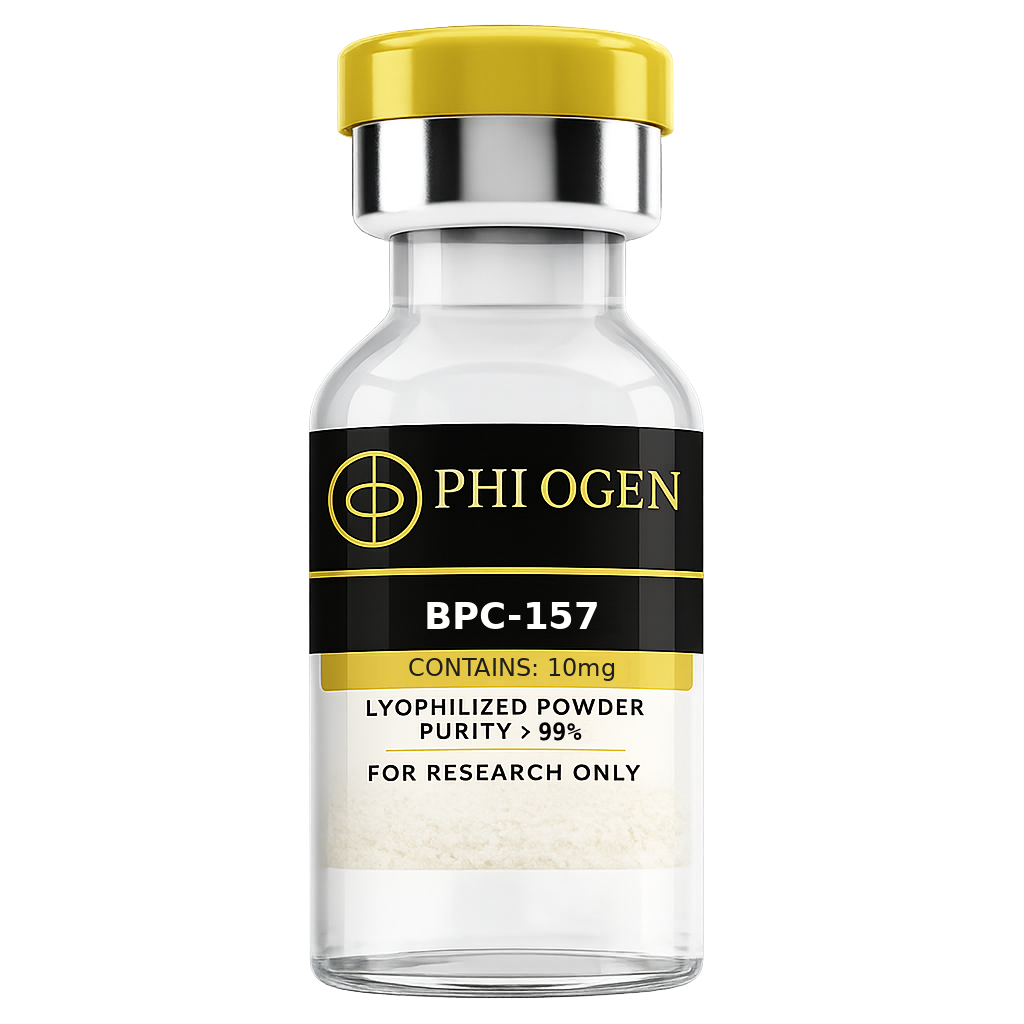
BPC-157 10mg
Body Protection Compound-157
CAS: 137525-51-0
Body Protection Compound-157 — 15-amino-acid synthetic gastric peptide with 140+ preclinical studies. The most evidence-backed recovery compound in research.
Price
$59.99
90 in stock
HPLC verified · third-party tested · research use only
Specifications
VEGFR2 Upregulation, NO System, and FAK-Paxillin Signalling
BPC-157 operates through six documented mechanisms. VEGFR2 upregulation drives angiogenesis at injury sites — new blood vessel formation for wound and tendon healing. FAK-Paxillin pathway activation promotes cell migration and tissue adhesion. Nitric oxide synthase upregulation produces gastroprotective effects, one of the most replicated findings in the entire 140+ study dataset. NF-κB downregulation provides anti-inflammatory signalling across GI, musculoskeletal, and hepatic models. Additionally, BPC-157 modulates dopaminergic and serotonergic systems and may interact with growth hormone receptor pathways in bone and muscle healing contexts.
140+ Preclinical Studies — Largest Evidence Base
BPC-157 has accumulated over 140 indexed preclinical studies across gastric, tendon, muscle, bone, CNS, liver, and cardiovascular systems. Evidence Grade A (most replicated) for gastric ulcer healing and Achilles tendon repair. Grade B for muscle crush injury, bone fracture healing, and liver protection.
Essential GLP Co-Administration
BPC-157's gastroprotective mechanisms — NO system upregulation, tight junction restoration, VEGF-driven mucosal repair — directly address GI side effects caused by GLP-1 receptor agonists during dose escalation. Co-administration with Retatrutide, Tirzepatide, or Semaglutide is considered standard practice.
Local Repair Precision
Unlike TB-500 which distributes systemically, BPC-157 concentrates at injury sites for targeted local repair. The combination of BPC-157's local precision with TB-500's systemic reach forms the basis of the Wolverine Stack used in recovery research.
Frequently Asked Questions
What is BPC-157 used for in research?
BPC-157 has 140+ preclinical studies covering gastric ulcer healing and tendon repair (Grade A evidence), muscle crush injury, bone fracture healing, liver protection from NSAID damage (Grade B), and neuroprotection models (Grade C). No approved human clinical use exists — all data is from animal models.
How does BPC-157 protect the gut during GLP protocols?
GLP-1 receptor agonists delay gastric emptying and alter gut motility, causing nausea in 30–50% of subjects during dose escalation. BPC-157 upregulates nitric oxide synthase, restores tight junctions, and drives VEGF-mediated mucosal repair — mechanisms that directly address these GI effects. It is run concurrently throughout any GLP protocol.
What is the reconstitution protocol for BPC-157 10mg?
Add 5mL bacteriostatic water to the 10mg vial for a 2mg/mL concentration. Inject slowly along the vial wall — never directly onto the powder. Swirl gently to dissolve. Do not shake. Store reconstituted at 2–8°C for up to 28 days. Never freeze reconstituted solution.
Should BPC-157 be stacked with TB-500?
BPC-157 and TB-500 operate through different mechanisms (VEGFR2/NO system vs G-actin sequestering) and have different distribution profiles (local vs systemic). Stacking both provides complementary coverage — BPC-157 for targeted local repair, TB-500 for systemic reach — commonly called the Wolverine Stack.
Related Products
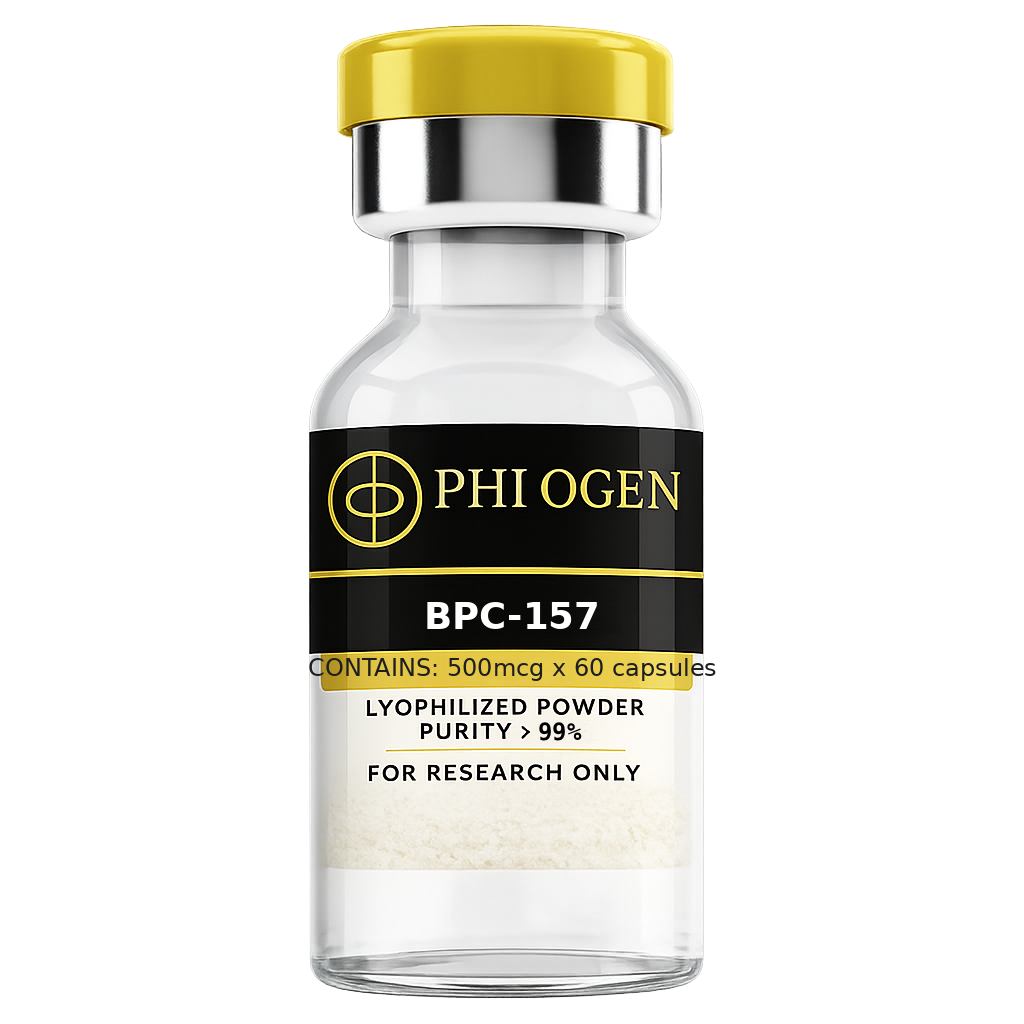
BPC-157 Capsules 500mcg x60
Body Protection Compound-157
BPC-157 in oral capsule form, 500mcg per cap, 60-count supply. Gut-targeted delivery; bypasses injection for gastrointestinal tract research. 99.0% purity.
$79.99
CAS 137525-51-0
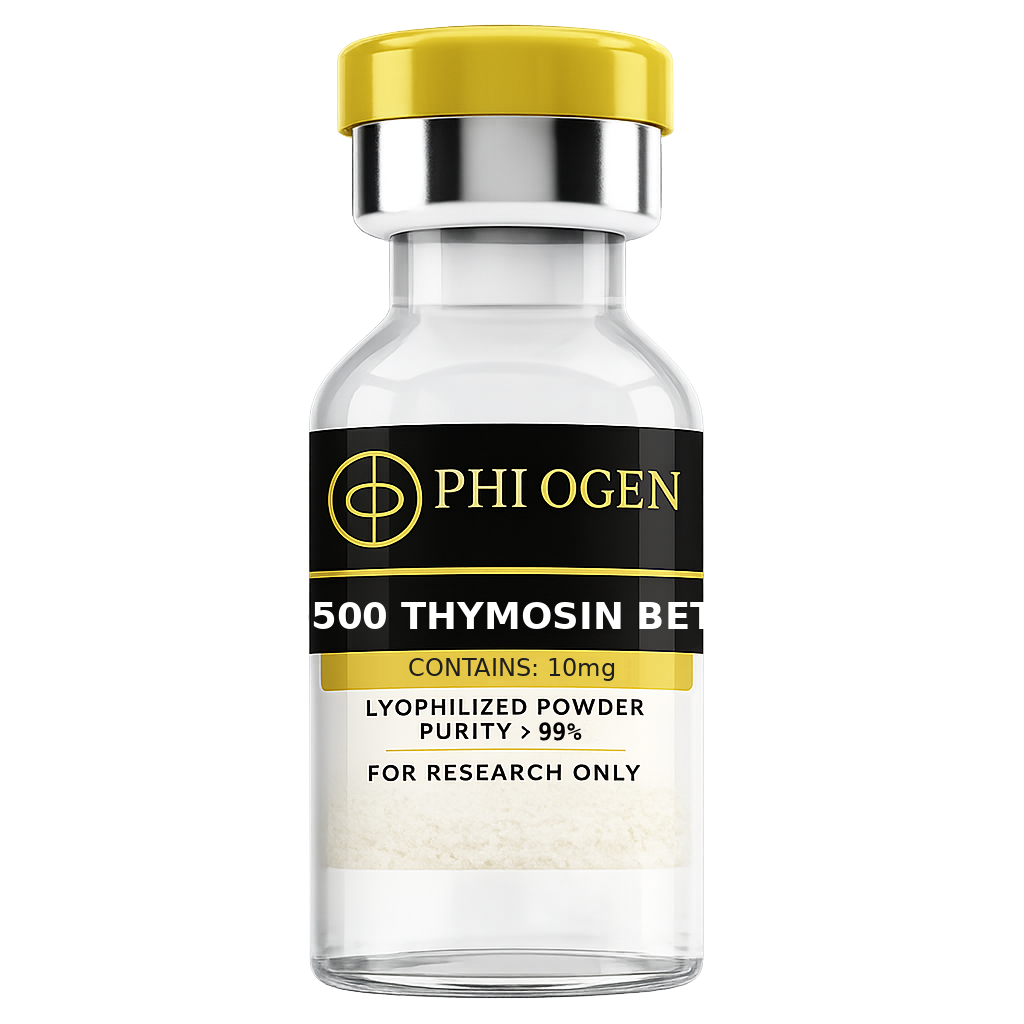
TB-500 (Thymosin Beta-4) 10mg
Thymosin Beta-4
43-amino-acid G-actin sequestering protein. Promotes systemic cell migration, angiogenesis, and tissue remodelling. ~10-day half-life. 99.0% purity.
$59.99
CAS 77591-33-4
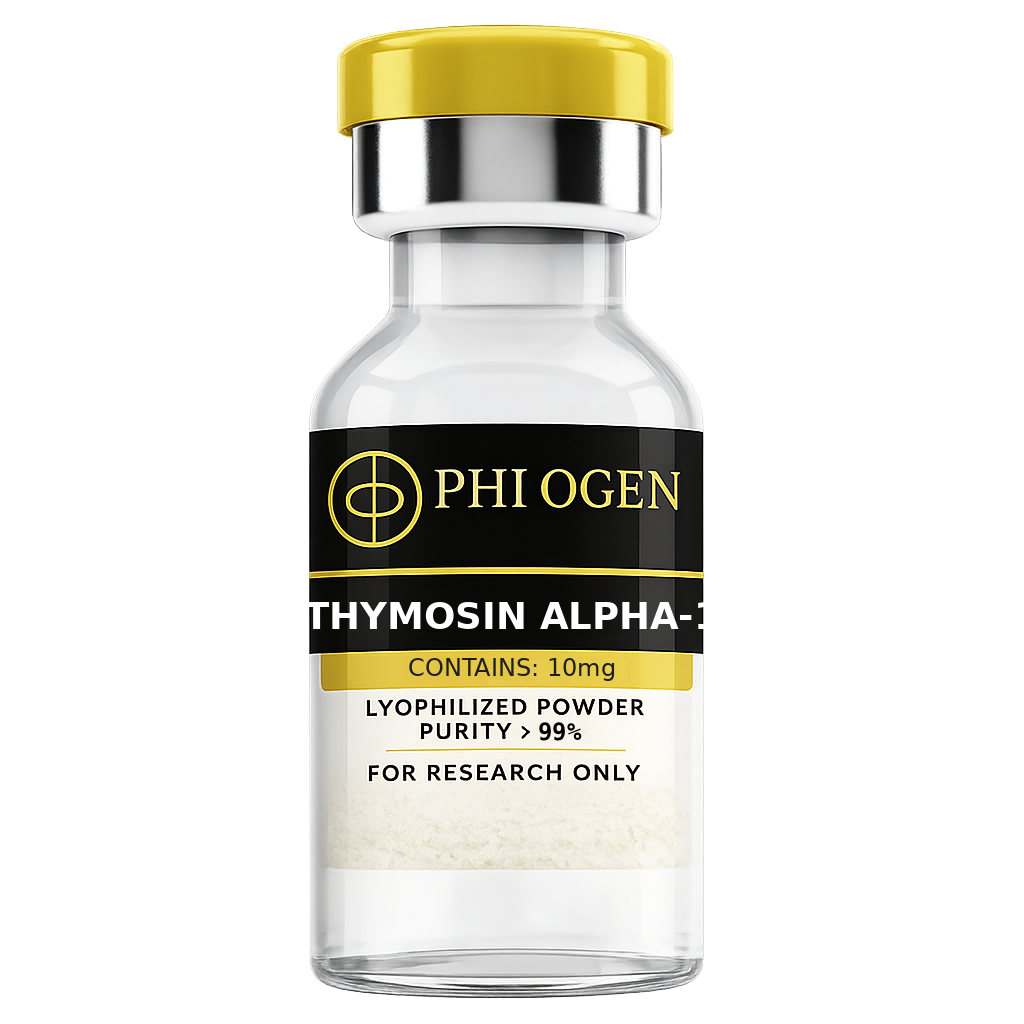
BPC-157 10mg
$59.99