HPLC Verified
Research Grade
COA Published
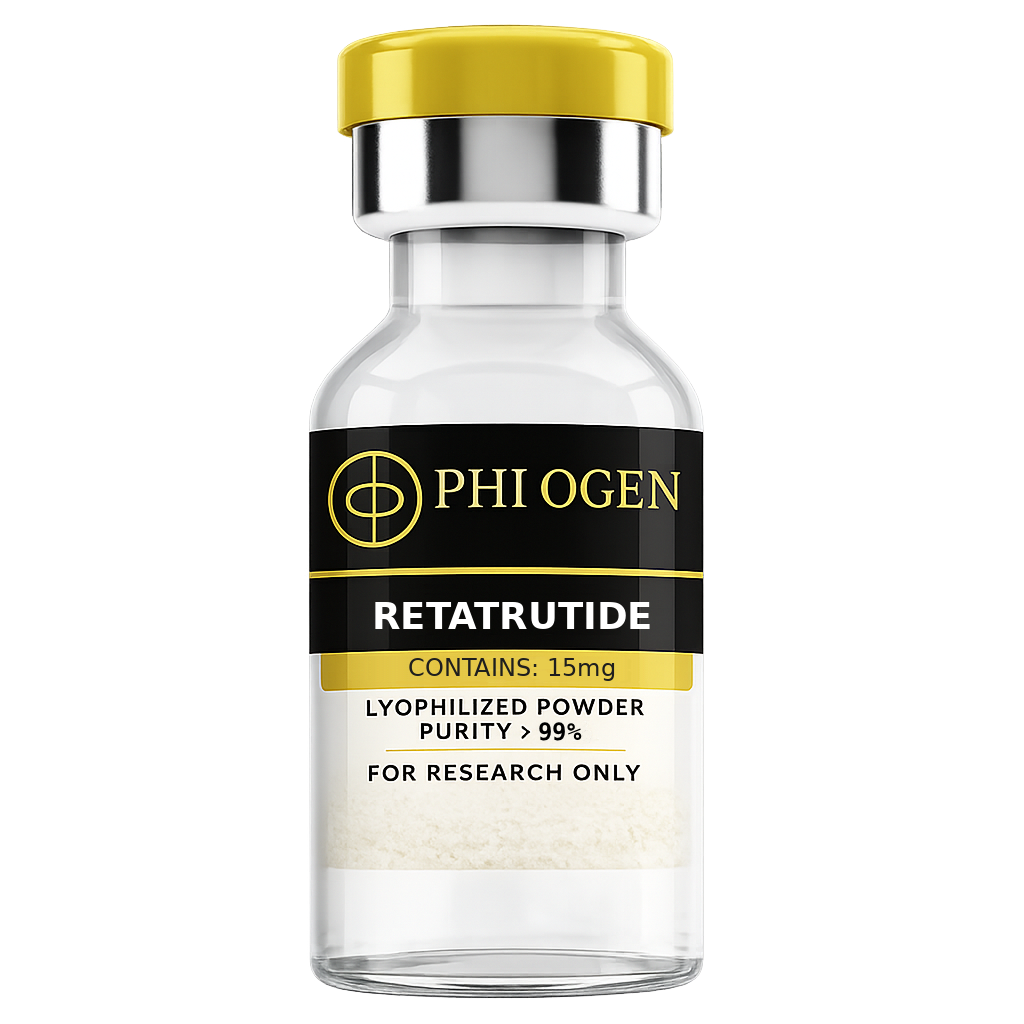
Retatrutide 15mg
Retatrutide
CAS: 2381609-35-2
Retatrutide 15mg — standard protocol supply. Triple GLP-1/GIP/Glucagon receptor agonist. Phase 2: −28.7% body weight at 48 weeks. Most complete single-vial supply for escalation.
Price
$199.99
30 in stock
HPLC verified · third-party tested · research use only
Specifications
Triple-Agonist: GLP-1R + GIPR + GcgR
Retatrutide activates three receptors simultaneously. GLP-1R drives hypothalamic appetite suppression and satiety. GIPR enhances insulin sensitivity and adipocyte lipid metabolism. GcgR activates hepatic beta-oxidation and brown adipose thermogenesis — mechanisms that raise resting energy expenditure independent of appetite. This triple mechanism is the basis for Phase 2 data of −28.7% body weight at 48 weeks — the highest fat loss result recorded for any GLP compound. The 15mg vial provides the standard protocol supply for a complete dose escalation cycle.
Phase 2: −28.7% at 48 Weeks — Highest Recorded
Retatrutide Phase 2 (8mg/week, 48 weeks): −28.7% body weight. The trajectory had not plateaued at trial end. Tirzepatide SURMOUNT-1 (15mg/week, 72 weeks): −20.9%. Semaglutide STEP (2.4mg/week, 68 weeks): −14.9%. The triple receptor mechanism is the quantified differentiator.
Standard Protocol Supply
The 15mg vial supports a complete dose escalation protocol: 2mg/week initiation (4 weeks = 8mg) + initial 4mg maintenance (1.75 weeks = ~7mg) = approximately 15mg consumed in a structured 6-week initiation cycle. For extended protocols, a second 15mg vial or the 10mg supplement provides continuation.
GcgR: The Thermogenic Differentiator
The glucagon receptor is what separates Retatrutide from all other GLP compounds in research. GcgR activation in the liver drives direct fat oxidation. In brown adipose tissue, it raises resting metabolic rate. Fat loss occurs both through reduced intake (GLP-1/GIP) and increased expenditure (GcgR) — a dual mechanism unique in the GLP class.
Frequently Asked Questions
Why choose Retatrutide 15mg over the 10mg starter?
The 15mg vial provides sufficient supply for a complete initiation cycle (2mg/week × 4 weeks + 4mg/week × ~2 weeks = ~15mg). The 10mg covers only the first escalation phase. The 15mg is the standard protocol recommendation for research continuity.
Should I run BPC-157 alongside Retatrutide?
Yes — BPC-157 co-administration is standard practice for all GLP protocols. Retatrutide delays gastric emptying and alters gut motility during dose escalation. BPC-157's gastroprotective mechanisms (NO system upregulation, tight junction restoration) directly address these GI adaptations.
What reconstitution volume produces the standard concentration?
Add 5mL bacteriostatic water to the 15mg vial for a 3mg/mL concentration. At 3mg/mL, a 2mg dose = 0.667mL; a 4mg dose = 1.33mL; an 8mg dose = 2.67mL. Use an insulin syringe for precise measurement.
How does Retatrutide compare to Tirzepatide mechanistically?
Tirzepatide is a dual agonist (GLP-1R + GIPR). Retatrutide adds GcgR (glucagon receptor). GcgR activation drives hepatic beta-oxidation and brown adipose thermogenesis — active fat-burning mechanisms absent in tirzepatide. The Phase 2 data advantage (−28.7% vs −20.9%) is attributed to this third receptor.
Related Products
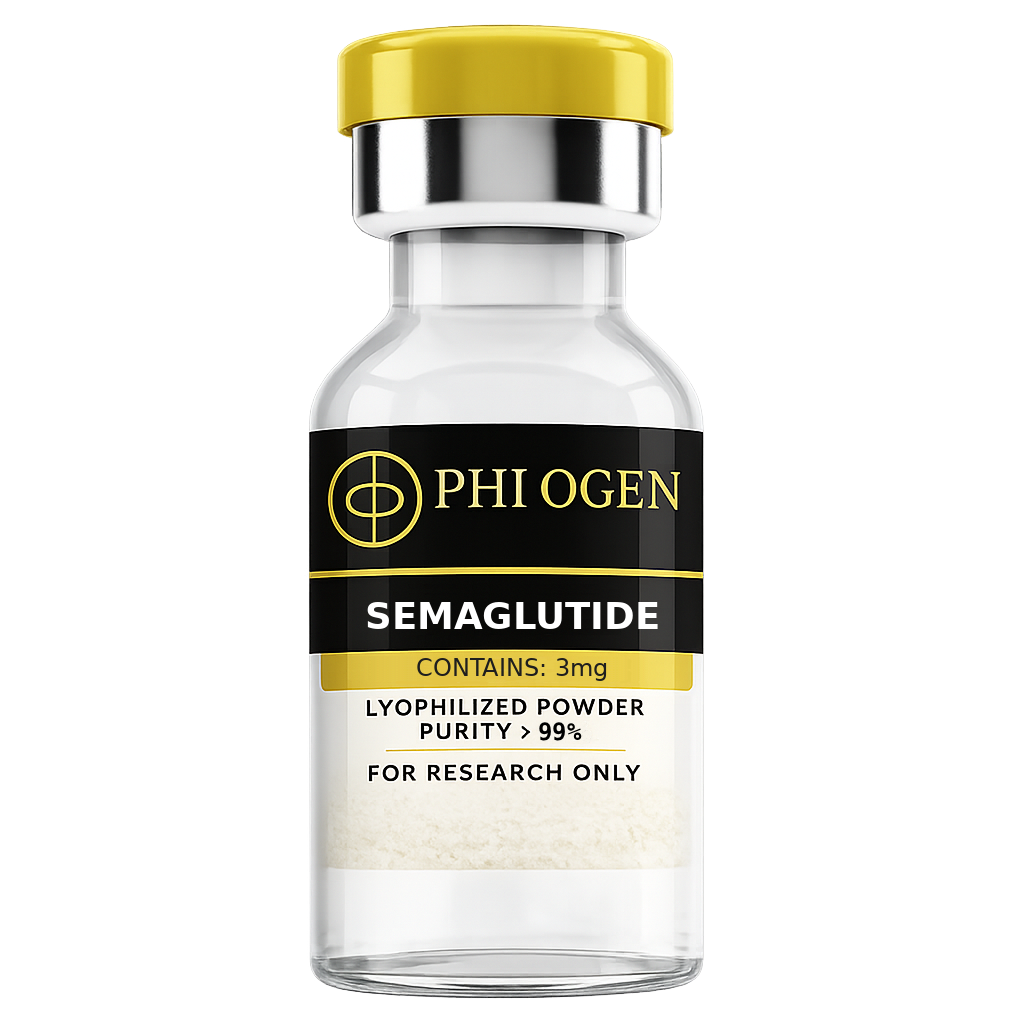
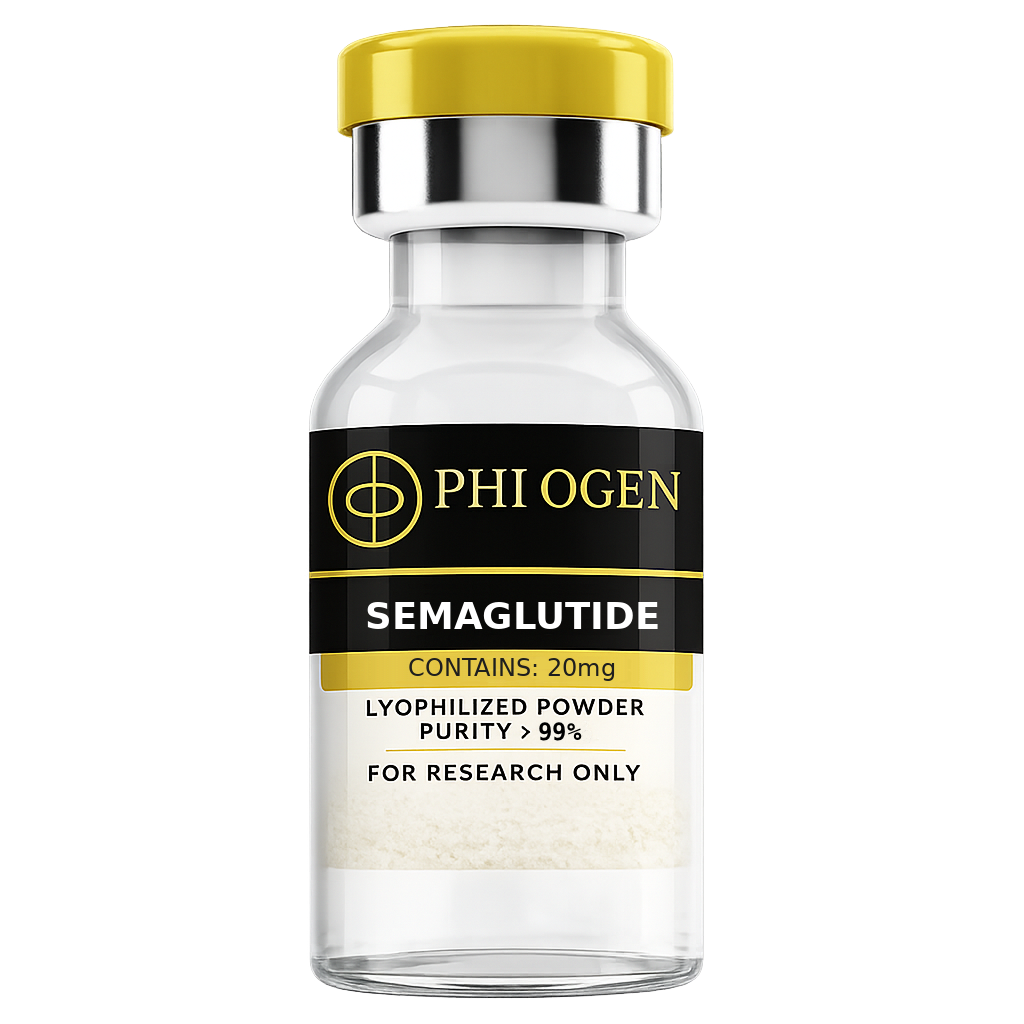
Semaglutide 3mg
Semaglutide
GLP-1 receptor agonist. 99.1% purity. Starter 3mg vial suited to initial dose-titration research; STEP-1 trial recorded −14.9% mean body weight at 68 weeks.
$49.99
CAS 910463-68-2
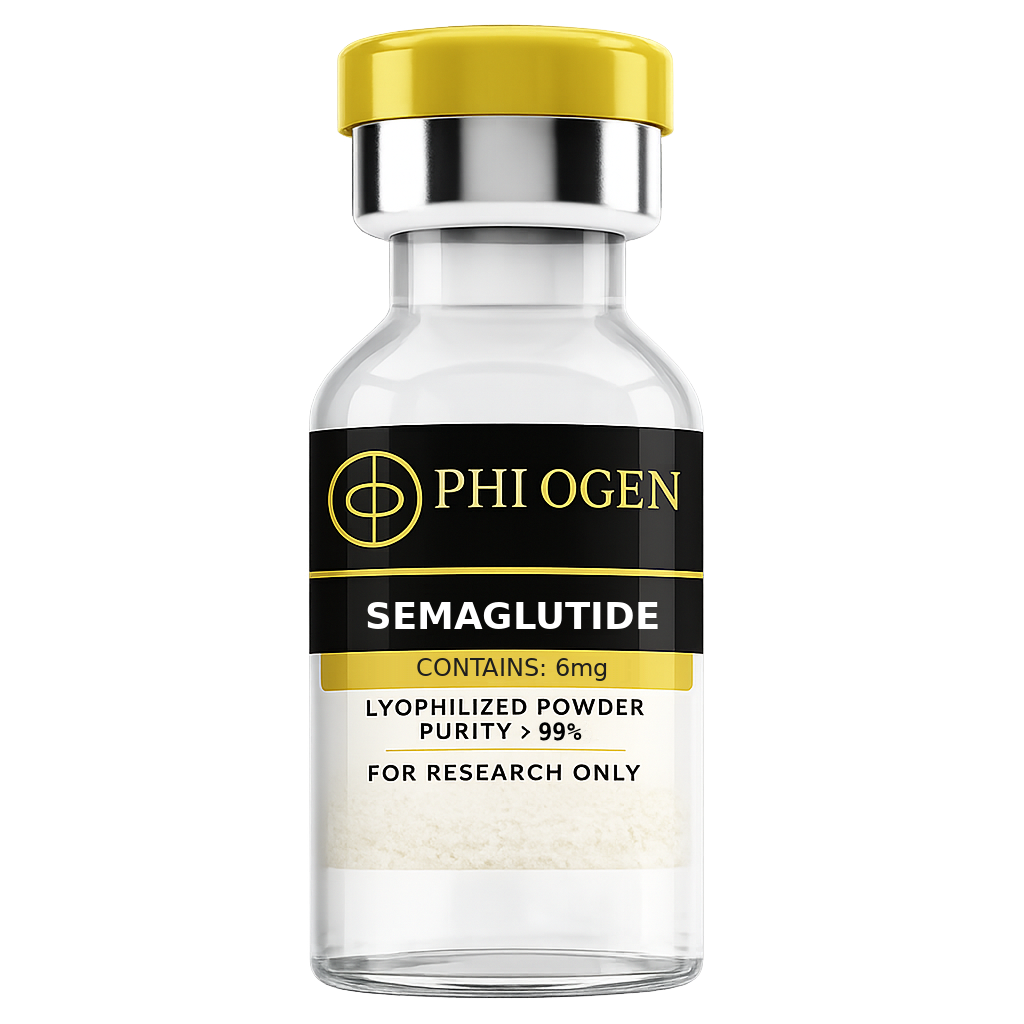
Semaglutide 6mg
Semaglutide
GLP-1 receptor agonist. 99.1% purity. Mid-range 6mg vial supports two-vial titration schedules; STEP-1 Phase 3 mean weight reduction −14.9% over 68 weeks.
$79.99
CAS 910463-68-2
Retatrutide 15mg
$199.99