Protocol Architecture Philosophy
A complete maxxing peptide protocol operates across four distinct biological objectives: fat mass reduction, gastrointestinal protection, dermal and aesthetic quality, and lean mass preservation. The compound selection for each layer is driven by mechanistic specificity — each compound addresses its target through pathways that do not compete with the other layers.
Running multiple peptides simultaneously is not about additive dosing of the same mechanism — it is about addressing multiple independent biological systems concurrently, which body recomposition requires.
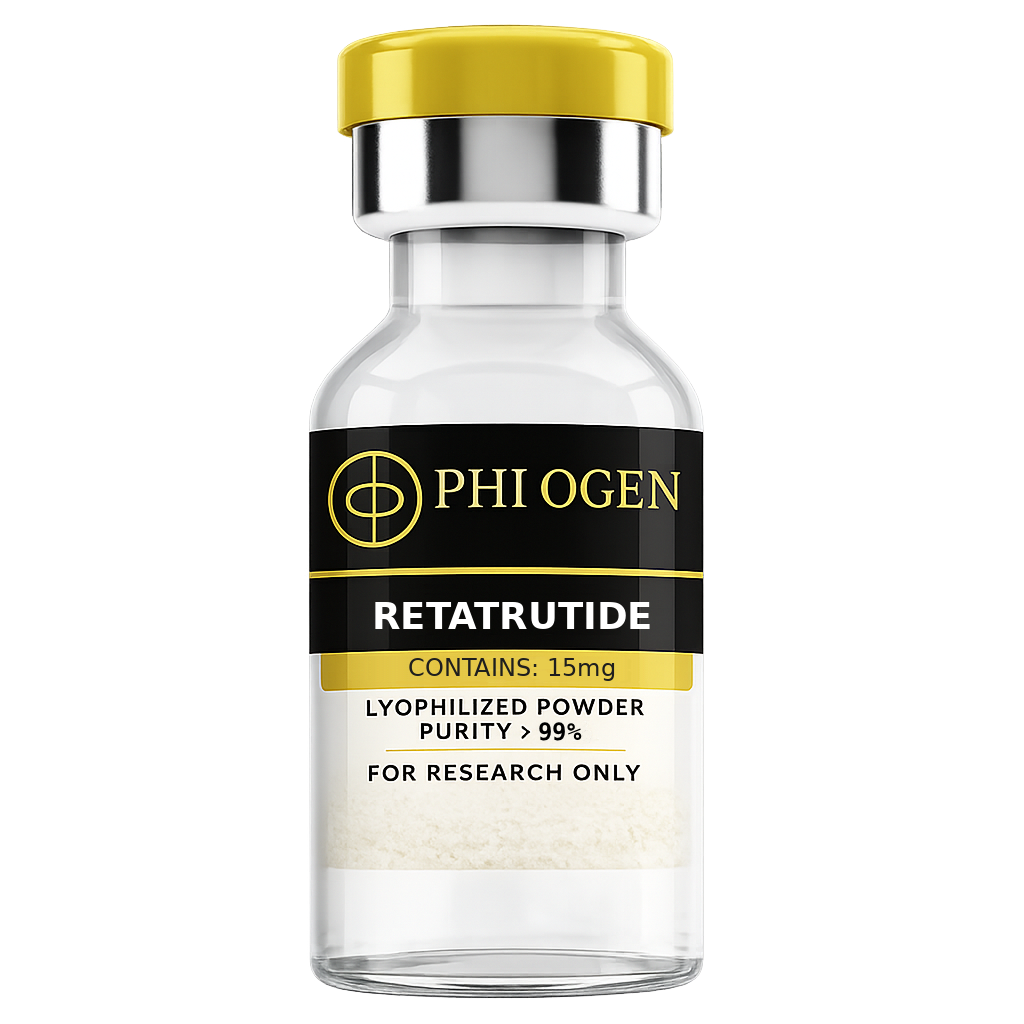
Layer 1: Fat Loss Core — Retatrutide
Mechanism: GLP-1R + GIPR + GcgR triple agonism
Retatrutide is the fat loss anchor of the protocol. The triple-receptor mechanism produces fat loss through three simultaneous pathways:
- GLP-1R: hypothalamic appetite suppression, delayed gastric emptying
- GIPR: adipose insulin sensitisation, lipid metabolism enhancement
- GcgR: hepatic beta-oxidation, brown adipose thermogenesis, resting energy expenditure elevation
Phase 2 data (NCT05394519): −28.7% body weight at 48 weeks at 8 mg/week. Secondary endpoints included −27.7 cm waist circumference and −42% triglycerides — relevant markers for body recomposition beyond scale weight.
Dose escalation schedule:
|---|---|
Escalation rate can be slowed if GI effects are not adequately managed at a given dose step. Extending each phase to 6 weeks instead of 4 is common practice.
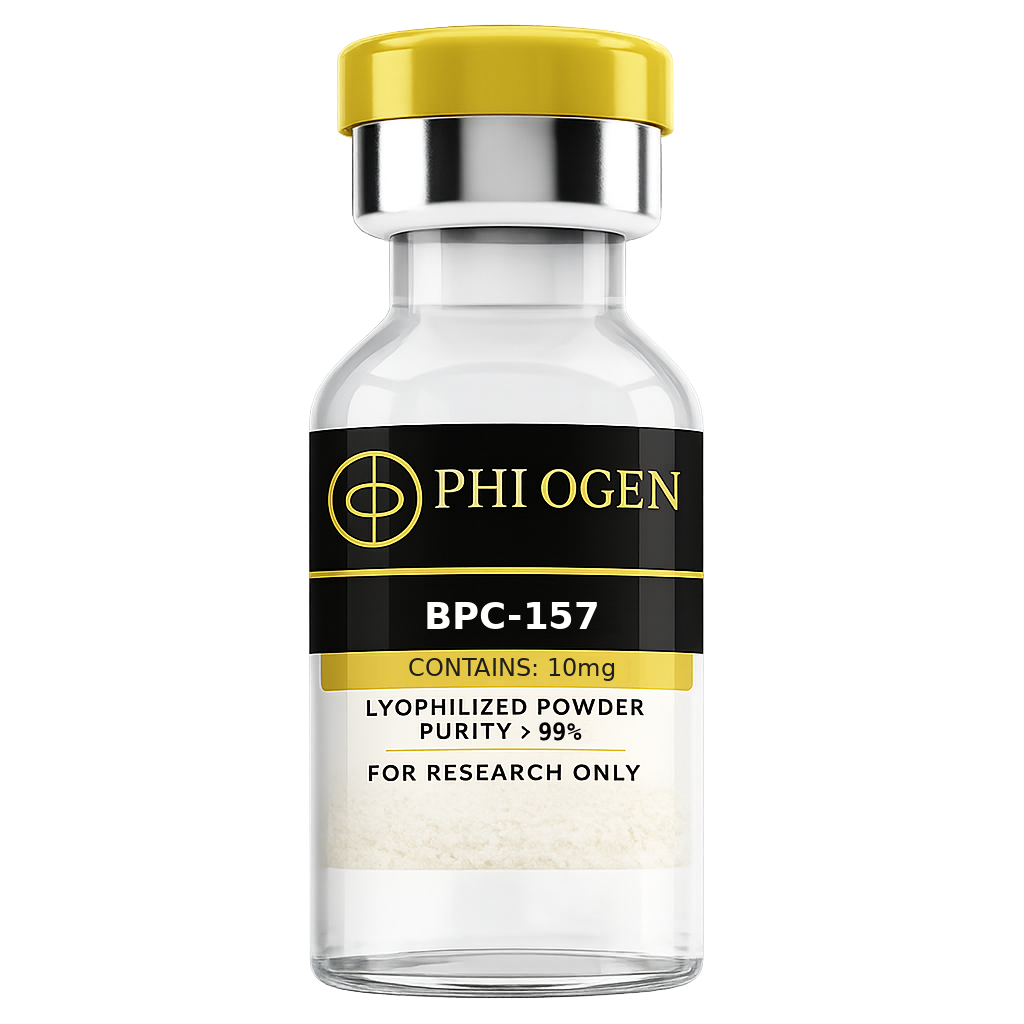
Layer 2: Gastroprotection — BPC-157
Mechanism: NO system upregulation, mucosal tight junction restoration, VEGFR2-driven angiogenesis, NF-κB suppression
BPC-157 is non-optional in any GLP protocol. GLP-1R agonism — present in retatrutide, tirzepatide, and semaglutide — slows gastric emptying and activates the area postrema vomiting reflex in 30–50% of subjects during dose escalation. At maintenance doses, mucosal stress from chronically delayed emptying continues.
BPC-157's gastroprotective mechanisms directly address this:
- NO system upregulation maintains mucosal blood flow and mucus secretion, preserving the epithelial barrier under motility stress
- Tight junction restoration reduces mucosal permeability
- VEGFR2-driven vascular repair supports mucosal perfusion
- NF-κB suppression reduces the inflammatory component
The compound does not compete with retatrutide — it operates on the gastric mucosa while retatrutide operates on hypothalamic and hepatic targets. BPC-157 is initiated concurrently with retatrutide at week 1 and maintained throughout the full protocol duration.
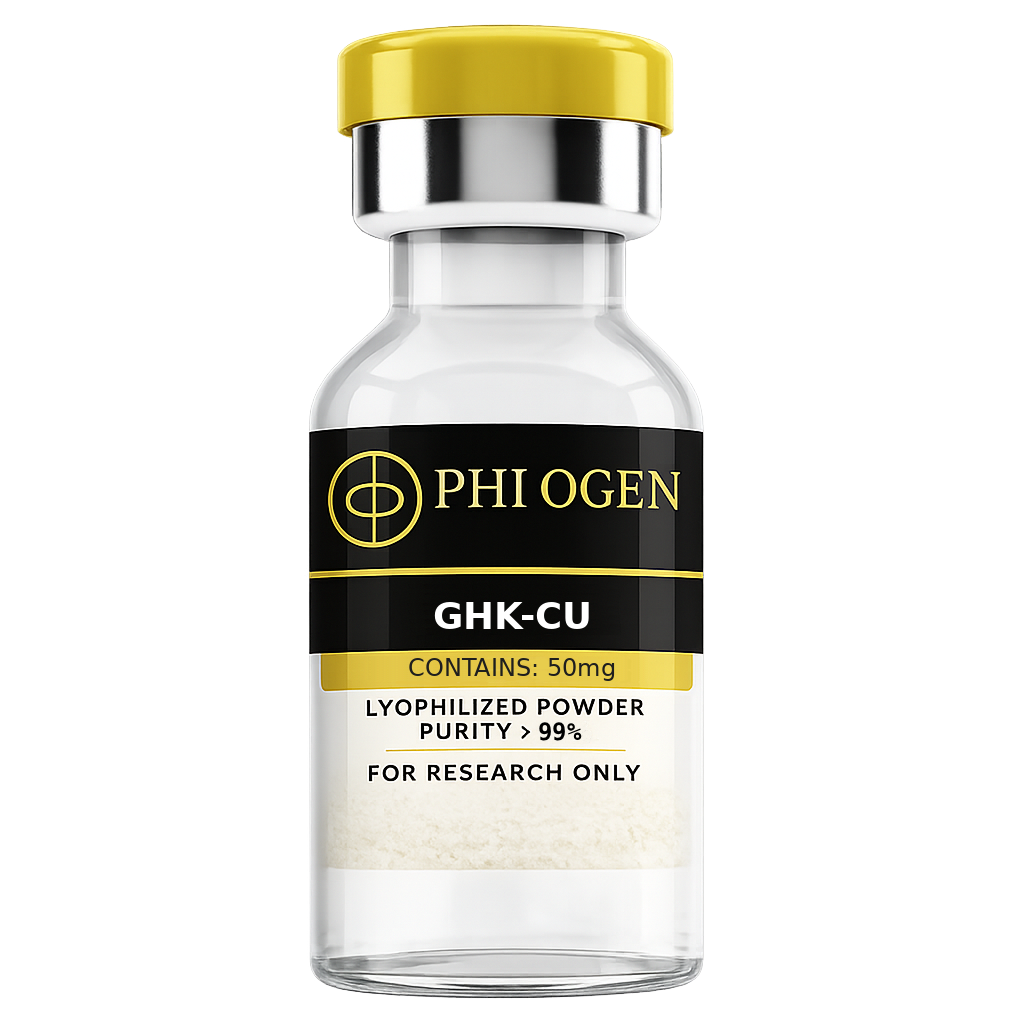
Layer 3: Aesthetic Quality — GHK-Cu + SNAP-8
GHK-Cu Mechanism: 4,000+ gene modulation — collagen I (+70%), collagen III (+50%), elastin upregulation, SOD/catalase antioxidant enzymes
Body recomposition reduces fat mass and preserves or increases lean mass, but it does not inherently improve skin quality. Aggressive caloric deficit — which GLP compounds facilitate — can produce dermal quality decline: reduced collagen turnover, increased skin laxity, accelerated epidermal thinning.
GHK-Cu addresses the dermal matrix layer:
- Simultaneous upregulation of structural proteins (collagen I/III, elastin, glycosaminoglycans)
- Antioxidant enzyme induction — relevant during recomposition, which can increase oxidative stress
- Anti-senescence gene expression: downregulation of SASP markers that accumulate under caloric stress
GHK-Cu plasma levels naturally decline ~60% between age 20 and 60. Supplementing in a recomposition protocol targets a meaningful restoration of what was lost, not a supraphysiological addition.
SNAP-8 Mechanism: SNARE complex inhibition at neuromuscular junctions → reduced expression line formation
SNAP-8 is the targeted add-on for dynamic wrinkle management. It operates at the neuromuscular junction rather than in the fibroblast layer — mechanistically entirely separate from GHK-Cu. The two aesthetic compounds address different biological targets and run without interaction.
Typical administration: SNAP-8 topically to target expression areas (glabellar, forehead, lateral canthal lines); GHK-Cu systemically (subcutaneous) for dermal matrix effects, optionally with topical application concurrently for localised skin quality.
Layer 4: Lean Mass Preservation — Ipamorelin / CJC-1295
Mechanism: GH secretagogue dual-compound stack — GHRH receptor agonism (CJC-1295) + ghrelin receptor agonism (Ipamorelin)
Aggressive caloric deficit — the mechanism by which GLP compounds produce fat loss — creates a catabolic environment that can compromise lean mass. Without specific countermeasures, retatrutide-driven deficits of 500–1,000+ kcal/day over extended periods will produce meaningful lean mass losses alongside fat loss.
CJC-1295 is a GHRH (growth hormone-releasing hormone) analogue with a DAC (Drug Affinity Complex) modification extending its half-life to 7–8 days (vs ~30 minutes for native GHRH). It prolongs the pulsatile GH secretion window, increasing total GH output per pulse without blunting the pulse architecture.
Ipamorelin is a selective ghrelin receptor (GHSR-1a) agonist. It stimulates GH release through the ghrelin/GHSR pathway — a distinct mechanism from GHRH. Ipamorelin is selective for GH release with minimal effect on cortisol or prolactin, making it the cleanest GH secretagogue in the research literature.
Combining CJC-1295 (pulse duration extension) with Ipamorelin (pulse amplitude enhancement via a different receptor) creates a synergistic GH secretion profile that is greater than either compound alone — and does not require exogenous GH or suppress the hypothalamic-pituitary axis.
In a caloric deficit context, elevated GH drives:
- Lipolysis amplification (complements retatrutide's GcgR-driven thermogenesis)
- Protein synthesis maintenance (preserves muscle tissue under caloric stress)
- IGF-1 elevation (anabolic signalling in muscle and connective tissue)
Full Protocol Stack Summary
|---|---|---|---|
Timing Reference
- Retatrutide: Weekly subcutaneous, consistent day
- BPC-157: Daily or twice-daily subcutaneous, concurrent with full retatrutide course
- GHK-Cu: Daily subcutaneous; topical concurrent if targeting facial skin
- SNAP-8: Topical, twice daily to target expression zones
- Ipamorelin/CJC-1295: Subcutaneous 2–3x weekly (CJC-1295 DAC) with daily or pre-sleep Ipamorelin injection
No compound in this stack competes mechanistically with another. The four layers target independent biological systems: adipose metabolism, gastric mucosa, dermal fibroblasts/neuromuscular junctions, and somatotropic axis.